Introduction
Rising costs are hitting American wallets hard, and car insurance is no exception. If you’re looking to save money on car insurance without sacrificing coverage, you’re in the right place. With premiums increasing by 8.4% nationwide in 2024, finding smart ways to reduce your auto insurance costs has never been more critical.
The good news? There are proven strategies that can slash your premiums by 20-40% or more. From leveraging little-known discounts to optimizing your coverage, this comprehensive guide reveals exactly how to save money on car insurance while maintaining the protection you need.
Table of Contents
Why Car Insurance Costs Keep Rising in 2025
Before diving into money-saving strategies, it’s important to understand why car insurance premiums continue climbing. According to the National Association of Insurance Commissioners, several factors are driving costs higher:
- Increased repair costs: Modern vehicles packed with technology are expensive to fix
- Rising medical expenses: Healthcare inflation directly impacts injury claims
- Extreme weather events: Climate-related damages are becoming more frequent
- Supply chain disruptions: Parts shortages drive up repair times and costs
Understanding these factors helps you make informed decisions about your coverage and identify the best opportunities to reduce costs.
Compare Multiple Insurance Quotes to Save Money on Car Insurance

The single most effective way to save money on car insurance is shopping around. Many Americans stick with the same insurer for years, missing out on significant savings.
How Much Can You Really Save?
Recent data from the Consumer Federation of America shows that identical coverage can vary by more than $1,500 annually between insurers. Here’s the breakdown:
- Good drivers: Can save $200-800 per year
- High-risk drivers: Potential savings of $1,000-2,000 annually
- Young drivers: May find savings up to $2,500 with the right insurer
Smart Shopping Strategy
- Get quotes from at least 5 insurers every 6 months
- Compare identical coverage limits to ensure accurate comparisons
- Check both online and local agents for the best rates
- Time your shopping strategically – avoid shopping right after claims or violations
Pro Tip: Set a calendar reminder every six months to review your auto insurance rates. Even if you don’t switch, this keeps you informed about market pricing.
Maximize Available Discounts for Lower Auto Insurance Rates
Insurance companies offer dozens of discounts, but many customers never ask about them. Here are the most valuable auto insurance discounts available in 2025:
Multi-Policy Bundling Savings
Combining your car and home insurance can reduce your car insurance costs by 10-25%. Major insurers like State Farm and Allstate typically offer:
- Average bundling discount: 15-20%
- Additional savings: Simplified billing and single deductible options
- Loyalty rewards: Some insurers increase discounts over time
Safe Driver and Usage-Based Discounts
Modern technology makes it easier than ever to prove you’re a safe driver:
Telematics Programs:
- Progressive Snapshot: Up to 30% discount
- State Farm Drive Safe & Save: Up to 30% savings
- Allstate Drivewise: Up to 40% discount potential
Traditional Safe Driver Discounts:
- Good driver discount: 10-25% off
- Defensive driving courses: 5-15% savings
- Accident-free periods: Increasing discounts over time
Vehicle and Coverage Optimization
Your car choice significantly impacts insurance costs. Consider these money-saving factors:
Vehicle Selection Impact:
- Safety ratings: IIHS Top Safety Pick vehicles often qualify for discounts
- Anti-theft features: Factory security systems can save 5-15%
- Repair costs: Choose models with readily available, affordable parts
For those rebuilding their financial foundation, understanding how insurance decisions impact your overall financial health is crucial. Learn more about rebuilding credit after bankruptcy in 2025 to see how good financial habits compound over time.
Adjust Your Coverage and Deductibles for Maximum Auto Insurance Savings
Fine-tuning your policy details can generate substantial cheap car insurance without compromising necessary protection.
Deductible Strategy for Lower Premiums
Raising your deductible is one of the fastest ways to reduce premiums:
- $250 to $500 deductible: Saves 10-15% annually
- $500 to $1,000 deductible: Additional 15-20% savings
- $1,000 to $2,500 deductible: Can save 25-30% total
Important Consideration: Only raise deductibles to amounts you can comfortably afford in an emergency. Building an emergency fund should go hand-in-hand with higher deductibles.
Coverage Limits Optimization
While you should never skimp on liability coverage, other areas offer flexibility:
Drop Unnecessary Coverage:
- Comprehensive/collision on older vehicles: If your car is worth less than 10x your annual premium
- Rental car coverage: Skip if you have alternative transportation
- Roadside assistance: Unnecessary if you have AAA or credit card coverage
Liability Coverage Standards: According to the Insurance Information Institute, recommended minimum liability coverage is 100/300/100, significantly higher than most state minimums.
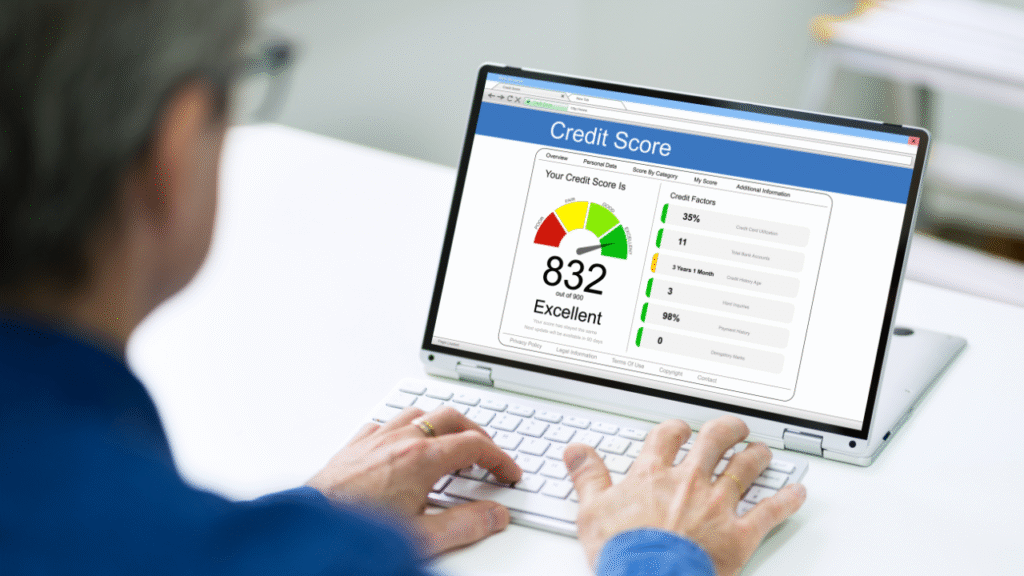
Maintain Good Credit to Save Money on Car Insurance

In most states, insurance companies use credit scores to determine premiums. This practice can significantly impact your car insurance costs.
Credit Score Impact on Insurance Rates
The Federal Trade Commission reports that credit-based insurance scores can affect premiums by:
- Excellent credit (750+): Lowest available rates
- Good credit (650-749): Moderate impact on pricing
- Poor credit (below 650): Premiums can be 50-100% higher
Improving Your Insurance Credit Score
Focus on these key factors that impact insurance scoring:
- Payment history (35% of score): Never miss payments
- Credit utilization (30% of score): Keep balances below 30% of limits
- Length of credit history (15% of score): Keep older accounts open
- Credit mix (10% of score): Maintain diverse account types
Young investors and savers can learn more about building strong financial foundations by exploring how Gen Z investors are ditching savings accounts in 2025 and applying those insights to overall financial health.
Timing Strategies and Life Changes That Reduce Insurance Premiums
Strategic timing can unlock additional savings opportunities throughout the year.
Annual Policy Review and Renewal Timing
Best Times to Shop for Car Insurance:
- 30-45 days before renewal: Gives time to compare without gaps in coverage
- After major life events: Marriage, home purchase, job changes
- When traffic violations drop off: Usually after 3-5 years
Life Events That Trigger Savings
Major life changes often create new discount opportunities:
Marriage: Joint policies typically save 5-15% compared to individual coverage Home Ownership: Homeowners often qualify for additional stability discounts
Career Changes: Some professions (teachers, engineers, military) qualify for group discounts Education Milestones: College graduates often receive education-based discounts
For those managing student debt alongside insurance costs, understanding student loan forgiveness eligibility can free up budget room for better insurance coverage or higher emergency fund contributions.
Lesser-Known Strategies to Lower Car Insurance Costs
Beyond traditional methods, several advanced strategies can help you save money on car insurance:
Pay-in-Full Discounts and Payment Optimization
Most insurers charge fees for monthly payments, making annual payments significantly cheaper:
- Typical monthly fee: $5-15 per month ($60-180 annually)
- Pay-in-full discount: Additional 5-10% off total premium
- Combined savings: Can exceed $300 per year
Group and Affiliation Discounts
Many organizations negotiate group rates for members:
Employer Groups: Check if your company has partnerships with insurers Professional Associations: Organizations like AAA, AARP offer member discounts
Alumni Associations: Many colleges negotiate group rates for graduates Credit Union Memberships: Often provide access to discounted insurance programs
Usage-Based and Mileage Programs
Low-mileage drivers can save significantly with specialized programs:
Metromile Pay-Per-Mile: Charges base rate plus per-mile fee State Farm Drive Safe & Save: Monitors mileage and driving habits Progressive Snapshot: Tracks miles driven among other factors
Average savings for low-mileage drivers: 20-40% compared to traditional policies
FAQs: About Saving Money on Car Insurance
Q1. What is the cheapest way to save money on car insurance in the USA?
People often want actionable strategies like shopping around, bundling policies, or increasing deductibles.
Q2. How much can I really save by comparing car insurance quotes?
This addresses curiosity about real savings, usually between 10–25% depending on state and insurer.
Q3. Does my credit score affect my car insurance rates?
A very common question since many U.S. states allow insurers to factor credit scores.
Q4. Can I lower my car insurance without reducing coverage?
Readers want reassurance they can keep full protection but still cut costs.
Q5. What discounts do most car insurance companies offer?
Covers popular discounts: safe driver, student, multi-policy, low mileage, defensive driving courses, etc.
Take Action: Start Saving Smarter with Car Insurance

Saving money on car insurance requires a strategic approach, but the potential savings make it worth the effort. By implementing these proven strategies, most drivers can reduce their premiums by 20-40% while maintaining excellent coverage.
The key is taking action consistently – not just once, but making insurance optimization part of your regular financial routine. Whether you’re saving $200 or $2,000 annually, those funds can accelerate your other financial goals.
Ready to transform your approach to personal finance beyond just insurance savings? Start saving smarter with SmartSaveUSA.com, where we help Americans optimize every aspect of their financial lives. From insurance strategies to investment insights, we’re your trusted resource for practical money-saving advice that actually works in 2025.