Why Mortgage Rates Rise and Fall and the Surprising Impact
Understanding mortgage rates can feel like deciphering a financial puzzle, especially when you’re trying to buy your first home or refinance your existing one. As of 2025, American homeowners are witnessing dramatic shifts in housing costs that directly impact their monthly budgets and long-term wealth building strategies.
Whether you’re shopping at Costco for bulk savings or managing your Walmart credit card payments, the ripple effects of changing borrowing costs touch every aspect of your financial life in ways you might not expect.
Table of Contents
What Actually Controls Housing Interest Rates in America?
The Federal Reserve’s Hidden Influence
The Federal Reserve doesn’t directly set home loan rates, but their federal funds rate acts like a financial thermostat for the entire economy. When the Fed raises rates to combat inflation, housing borrowing costs typically follow suit within weeks.
According to the Federal Reserve Economic Data (FRED), housing financing rates have fluctuated between 2.65% and 7.79% over the past decade, with 2025 bringing new challenges as economic conditions evolve.
Bond Market Movements Drive Daily Changes
Interest rates on mortgages move based on investor demand for mortgage-backed securities. When investors flock to safer government bonds during economic uncertainty, borrowing costs often decrease. Conversely, when the economy looks strong, rates climb as investors seek higher returns elsewhere.
Quick Tip: Check rate trends on Tuesday through Thursday—these days typically offer the most stable pricing due to bond market activity patterns.
How Rising Housing Costs Impact Your Wallet Beyond Home Buying

The Credit Card Connection Most Americans Miss
Higher housing financing costs signal tighter credit conditions across all lending products. Your Chase Freedom or Bank of America credit card interest rates often increase within 30-60 days of housing rate hikes.
Here’s what happens to your finances:
• Home equity loans become more expensive, limiting renovation funding options • Auto loan rates increase, making that new car purchase costlier • Personal loan rates rise, affecting debt consolidation strategies
Real Estate Investment Ripple Effects
When lending rates climb, rental property investments become less attractive. This creates opportunities for savvy savers who’ve built substantial emergency funds to protect their finances during market volatility.
2025 Market Reality: Properties that were profitable rental investments at 3% financing rates may generate negative cash flow at 6% rates, forcing investors to sell and creating buying opportunities.
Why Housing Financing Costs Fall—and How Smart Savers Capitalize
Economic Uncertainty Creates Opportunities
During recessions or global crises, current mortgage rates typically drop as investors seek safe-haven investments. The 2020 pandemic pushed rates to historic lows, allowing millions of Americans to refinance and save hundreds monthly.
Inflation Expectations Drive Long-Term Trends
When economists predict lower future inflation, housing financing costs often decline in anticipation. The Bureau of Labor Statistics’ Consumer Price Index reports directly influence these predictions and subsequent rate movements.
Pro Savings Strategy: Time major purchases around Federal Reserve meeting announcements—typically 8 times per year—when rate direction becomes clearer.
The Surprising Ways Rate Changes Affect Your Daily Spending
Housing Market Psychology Shifts Consumer Behavior
Rising borrowing costs don’t just affect homebuyers—they change how all Americans spend money. When housing becomes less affordable, families redirect spending toward:
- Grocery budget increases at stores like Walmart and Target
- Home improvement projects instead of moving to larger homes
- Utility bill management as families stay in smaller spaces longer
Regional Impact Variations Across the USA
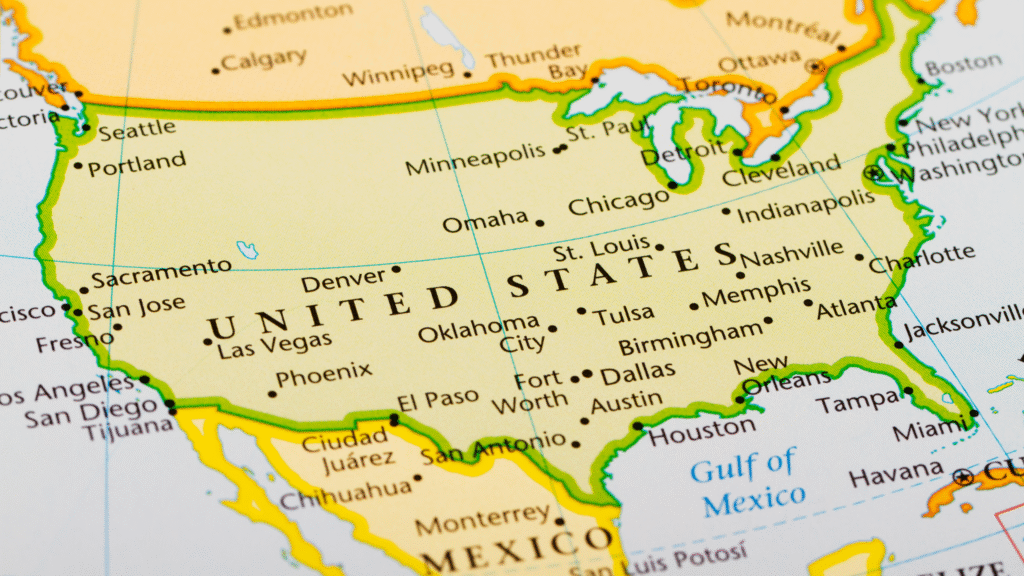
Housing financing costs affect different regions uniquely. High-cost areas like California and New York see dramatic affordability shifts, while Midwest markets remain more stable.
Latest 2025 Data: According to the National Association of Realtors, a 1% interest rate increase reduces buying power by approximately 10% nationwide, but this impact varies significantly by local income levels.
Smart families adapt by maximizing their clearance shopping strategies when housing costs consume larger portions of household budgets.
Smart Money Moves When Housing Costs Fluctuate
Timing Your Home Purchase or Refinance
Best mortgage rates aren’t just about timing the market—they’re about optimizing your complete financial picture. Consider these factors:
- Credit score optimization (740+ scores qualify for top rates)
- Down payment amount (20% eliminates PMI costs)
- Debt-to-income ratio (below 36% opens more options)
- Employment stability (2+ years same job preferred)
Alternative Strategies During High-Rate Periods
When borrowing costs peak, smart savers explore creative financing:
- Assumable loans from sellers with lower-rate financing
- Adjustable-rate products (ARMs) for shorter-term ownership plans
- Rent-to-own agreements that lock future purchase prices
- House hacking strategies using multi-unit properties
2025 Tax Advantage: Recent tax law changes affect interest deductions, making the true cost of borrowing different than advertised rates for many homeowners. Planning around early tax refund timing can help fund down payments more effectively.
Protecting Your Finances From Rate Volatility
Building Rate-Proof Financial Strategies
Smart Americans don’t just react to housing cost changes—they prepare for them. Create a financial buffer by:
• Maintaining 6-12 months expenses in high-yield savings accounts • Diversifying income streams to reduce employment dependency
• Monitoring credit reports quarterly for optimization opportunities • Learning about local housing market cycles in your specific area
When to Lock Rates vs. Float
Rate locks typically last 30-60 days and protect against increases during your home buying process. According to Freddie Mac research, rate locks make sense when:
- Rates are trending upward consistently
- You’re within 45 days of closing
- Economic news suggests volatility ahead
- Your loan amount makes even small rate changes expensive
FAQs About Mortgage Rates
Q1. Why do mortgage rates rise and fall, and how does it affect home loan rates?
Mortgage rates rise and fall based on inflation, Federal Reserve policy, and overall economic conditions. When rates increase, home loan rates also climb, making monthly payments higher. When rates drop, buyers can lock in lower borrowing costs.
Q2. What factors influence current mortgage rates in the USA?
Current mortgage rates are shaped by the Federal Reserve’s interest rate decisions, inflation trends, and demand in the housing market. Strong economic growth usually pushes rates higher, while slowdowns can bring them down.
Q3. How do interest rates on mortgages impact monthly payments?
Even a small change in interest rates on mortgages can significantly affect monthly payments. Higher rates increase the total cost of borrowing, while lower rates help homeowners save thousands over the life of the loan.
Q4. Where can I find the best mortgage rates for first-time buyers?
The best mortgage rates are usually found by comparing multiple lenders, checking credit scores, and exploring government-backed programs like FHA or VA loans. Shopping around online and with local banks can reveal better offers.
Q5. Are today’s mortgage rates expected to stay high or go lower soon?
Experts believe mortgage rates may ease slightly if inflation continues to cool and the Federal Reserve cuts interest rates. However, current mortgage rates remain historically higher than the ultra-low levels seen during the pandemic.
Conclusion: Turn Housing Market Knowledge Into Savings Success

Understanding the forces behind rate fluctuations empowers you to make smarter financial decisions whether you’re buying your first home, refinancing existing debt, or planning investment strategies.
The key isn’t predicting exactly where best mortgage rates will go—it’s building financial flexibility to capitalize on opportunities when they arise. From maintaining emergency funds to optimizing your credit score, small actions today create big savings tomorrow.
Ready to maximize your savings potential? Start saving smarter with SmartSaveUSA.com and discover more strategies to protect and grow your wealth in any economic environment.