


Introduction
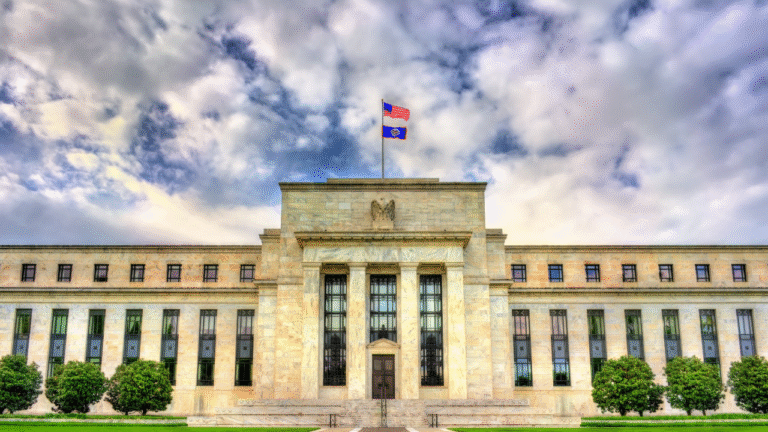
When the Federal Reserve maintains the target range for the federal funds rate at 4-1/4 to 4-1/2 percent, it sets the stage for significant changes across your personal finances. Understanding how federal reserve rate cuts ripple through the economy can help you make smarter decisions with your money in 2025 and beyond.
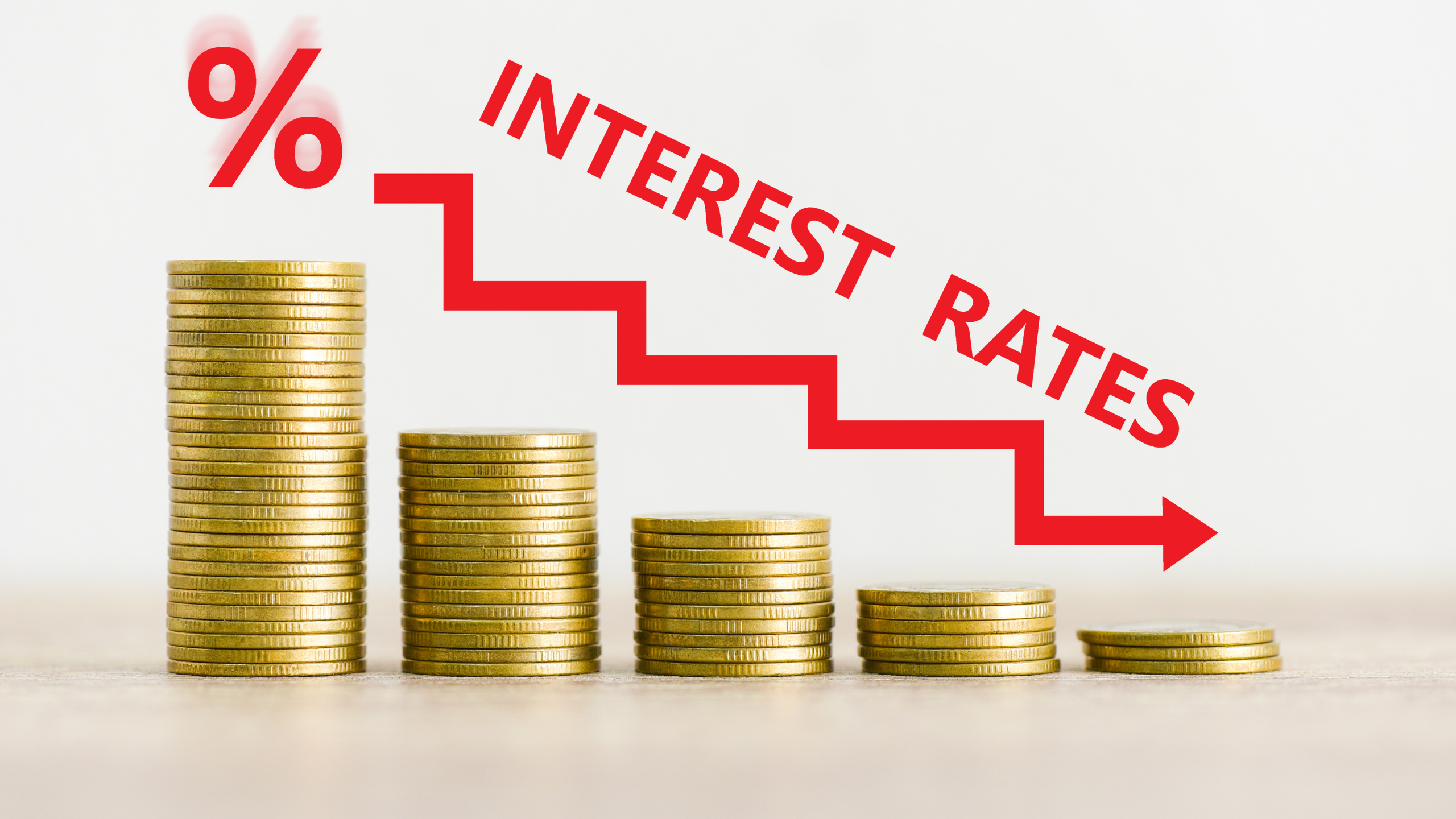
The current economic landscape presents unique opportunities and challenges for American savers and borrowers. With expectations of a 25 basis points cut in September 2025, dropping the rate to a range between 4.00% to 4.25%, now is the perfect time to understand these impacts.
Table of Contents
What Are Federal Reserve Rate Cuts and Why Do They Matter?
Federal reserve rate cuts occur when the Fed lowers the federal funds rate – the interest rate at which banks lend money to each other overnight. This benchmark rate influences virtually every financial product you use, from your Chase savings account to your Wells Fargo mortgage.
The federal funds rate influences other interest rates such as the prime rate, which is the rate banks charge their customers with higher credit ratings. Think of it as a domino effect that touches every aspect of your financial life.
How Rate Cuts Work in Practice
When the Fed cuts rates, banks typically follow suit within weeks. Here’s the timeline:
- Week 1: Fed announces rate cut
- Week 2-3: Major banks (Bank of America, JPMorgan Chase, Citibank) adjust prime rates
- Month 1-2: Consumer products reflect changes (credit cards, loans, savings accounts)
Impact on Your Savings Accounts: The Good and Bad News
The Challenging Reality for Savers
The Fed cutting rates can mean a lower yield for your savings, which directly affects your emergency fund growth. As of 2025, high-yield savings accounts that offered 5% APY might drop to 3.5% or lower following rate cuts.
Real-World Example: If you have $10,000 in a Discover Bank high-yield savings account at 4.5% APY, a 50 basis point rate cut could reduce your annual interest from $450 to $400 – a $50 difference.
Smart Strategies for Rate Cut Environments
Certificate of Deposits (CDs) Protection Strategy: Stashing your money in CDs can be a smart way to get ahead of expected Fed rate cuts, as once you open a CD, you’re guaranteed a set interest rate for the life of the account.
Top CD Strategies for 2025:
- Lock in 12-18 month CDs before anticipated cuts
- Consider CD laddering with different maturity dates
- Compare rates from credit unions vs. traditional banks
According to Federal Reserve Economic Data, historical rate patterns show optimal timing for these strategies.
How Rate Cuts Affect Your Loans and Credit Cards
Mortgage Rates: Mixed Signals Ahead

While a Fed rate cut this September is expected to be just 25 basis points, it’s a step in the right direction, albeit a minor step. Current 30-year mortgage rates hovering around 6.8% might see gradual decreases.
Mortgage Shopping Tips for 2025:
- Compare rates from at least 3 lenders (Quicken Loans, Better.com, local credit unions)
- Consider adjustable-rate mortgages (ARMs) in declining rate environments
- Time your refinancing applications strategically
Credit Card Interest Rates: Expect Quick Changes
Credit card companies adjust rates faster than mortgage lenders. Nearly half of applicants (48 percent) were denied a loan or financial product between December 2023 and December 2024, as interest rates stayed historically elevated.
Immediate Action Steps:
- Pay down high-interest credit card debt before rates potentially rise again
- Consider balance transfer offers from Capital One or Citi
- Negotiate with existing creditors for better rates
For deeper insights on timing your mortgage decisions, read our comprehensive analysis on how mortgage rates rise and fall and their surprising impact on your home buying power.
Auto Loans and Personal Loans: Timing Your Applications
Auto Financing Opportunities
Federal reserve rate cuts typically lead to better auto loan rates within 2-3 months. Whether you’re shopping at CarMax, your local Ford dealership, or considering Tesla financing, timing matters.
2025 Auto Loan Strategy:
- Pre-approval from credit unions often beats dealer financing
- Compare rates from DCU, Navy Federal, or local credit unions
- Consider certified pre-owned vehicles for better loan terms
Personal Loan Considerations
Banks like SoFi, LightStream, and Marcus by Goldman Sachs adjust personal loan rates quarterly. Rate cuts can save you hundreds on home improvement projects or debt consolidation.
Investment Account Implications: Beyond Traditional Savings

Money Market Accounts and Treasury Bills
Treasury securities provide government-backed returns that move with Fed policy. Current 6-month Treasury bills yielding around 4.5% will decrease following rate cuts.
Investment Timing for 2025:
- Consider I Bonds for inflation protection (current rate: 4.28%)
- Explore high-yield money market accounts at Ally or Marcus
- Review 401(k) bond fund allocations
Stock Market Considerations
Lower interest rates often boost stock prices as borrowing becomes cheaper for companies. However, dividend-paying stocks from utilities and REITs might see reduced yields.
Just like smart shoppers use Costco price tag secrets to maximize savings, understanding rate cycles helps optimize your financial decisions.
Practical Steps to Take Before Rate Cuts Hit
Immediate Actions (Next 30 Days)
- Lock in CD rates at competitive institutions
- Refinance high-interest debt while current rates apply
- Shop for mortgage pre-approval if buying in 2025
- Review savings account rates and consider switching
Medium-Term Planning (3-6 Months)
- Reassess investment portfolio allocation
- Consider real estate investments with cheaper borrowing costs
- Plan major purchases that require financing
- Build emergency fund while rates remain favorable
Long-Term Strategies (12+ Months)
Rate cycle preparation involves understanding that cuts often signal economic challenges ahead. Maintain diversified savings across:
- High-yield savings (6-month emergency fund)
- CDs with staggered maturity dates
- Investment accounts for growth
- Treasury securities for stability
Regional Banking Considerations for US Consumers
Credit Union Advantages
Local credit unions like BECU in Washington or USAA for military families often offer better rates during Fed transitions. They typically adjust rates more slowly, giving you time to optimize.
Regional Bank Strategies
Community banks in states like Texas, California, and Florida may offer promotional rates to compete with national banks during rate cut cycles.
State-Specific Opportunities:
- California: Golden 1 Credit Union competitive rates
- Texas: UFCU and other local institutions
- Florida: VyStar Credit Union attractive CD rates
FAQs: Federal Reserve Rate Cuts and Your Money
Q1. How do Federal Reserve rate cuts affect my savings account?
Lower Fed rates usually mean banks reduce interest on savings accounts, CDs, and money market accounts, lowering your returns.
Q2. Will mortgage rates go down when the Fed cuts rates?
Yes, mortgage rates often decline after Fed cuts, though the drop may take weeks and depends on market conditions.
Q3. Do credit card interest rates drop after a Fed rate cut?
Usually yes. Since credit cards are tied to the prime rate, rate cuts can quickly reduce APRs on variable-rate cards.
Q4. Should I refinance my loans when the Fed lowers rates?
Refinancing can save money if new rates are lower, especially for mortgages, auto loans, or personal loans. Timing matters.
Q5. How do Federal Reserve rate cuts impact the stock market?
Rate cuts often boost stock markets, as borrowing becomes cheaper for companies, but they may also signal economic slowdown risks.
Conclusion: Navigate Rate Cuts Like a Financial Pro

Understanding how federal reserve rate cuts affect your personal finances empowers you to make proactive decisions rather than reactive ones. With the current effective federal funds rate at 4.33% as of September 2025, positioned for potential decreases, now is the time to optimize your financial strategy.
The key is balancing immediate opportunities (like locking in CD rates) with long-term planning (adjusting investment allocations). Remember that interest rate cycles are temporary, but smart financial decisions create lasting benefits.
Take action today: Review your current savings rates, consider refinancing options, and position your portfolio for the changing rate environment. The savvy American consumer who plans ahead will benefit most from these economic shifts.
Ready to maximize your savings potential? Start saving smarter with SmartSaveUSA.com – your trusted resource for navigating America’s changing financial landscape.